
Small-screen venues—intimate rooms where performers play close to a live audience—can turn unfamiliar artists into audience favorites by making discovery feel personal. In clubs, cafés, and listening rooms, short sightlines and direct interaction help performers build trust, while repeat bookings and recommendations give promising acts time to grow. The effect is meaningful in a live-music economy: the National Independent Venue Association’s 2021 national survey found that 90% of independent venues said they would permanently close without federal assistance during the COVID-19 shutdowns, underscoring how important these rooms are to the artist-development pipeline. This article explains how small venues create audience connection, how their programming and promotion amplify new talent, and what real-world examples reveal about the path from unknown performer to local favorite.
How small-screen venues build audience loyalty for emerging artists
“Small-screen venue” is used here to mean a small-capacity live-music room, rather than a venue defined by a particular screen technology. There is no single industry-wide capacity threshold: the term covers settings from café stages and listening rooms to independent clubs. Their defining advantage is proximity. Artists can see and respond to listeners, and listeners can notice the performance as an event rather than as background entertainment. That direct exchange does not guarantee success, but it gives an emerging act a practical way to earn attention, test material, and build word-of-mouth support.
What makes a venue “small” in the artist-development context?
Capacity is only part of the definition. For artist development, a small venue is a room in which performers can establish a visible, audible relationship with much of the audience. A seated listening room, a neighborhood club, and a café stage may differ in sound, formality, and booking practice, yet all can offer a closer audience-performer encounter than a large arena. The National Independent Venue Association (NIVA) describes independent venues as businesses that present live events and operate independently of major corporate ownership; its work also highlights their role in local cultural and economic life. Small rooms are therefore best understood by both scale and function: they create an early setting in which an artist can learn how people respond.
Why intimate rooms matter to the live-music ecosystem
Small venues are part of the infrastructure that connects rehearsal, local performance, touring, and larger stages. In its 2021 survey of independent venues, NIVA reported that 90% of respondents faced permanent closure without relief during pandemic shutdowns. The figure was a survey finding, not a measure of closure rates, but it demonstrated how vulnerable independent stages were when performances stopped. Their value extends beyond ticket sales: they provide artists with performance experience and audiences with accessible opportunities to discover music before it reaches larger platforms.
How proximity turns unfamiliar artists into audience favorites
Proximity is the core mechanism behind small-room discovery. In a close setting, a performer can make introductions, explain a song, acknowledge a response, and adjust the pacing of a set. Audience members can hear details and observe the artist’s personality, which may make an unfamiliar name easier to remember. Research on live performance does not establish that venue size alone causes an artist’s popularity; factors such as music, promotion, booking, and timing also matter. Still, the room’s scale gives artists more opportunities for direct communication than a distant, high-capacity stage typically allows.
Listening rooms: attention as an advantage
A listening room is a venue arranged to foreground the performance, often with seated audiences and limited conversation during a set. This format can help a new artist make an impression through lyrics, instrumental detail, and storytelling. The experience rewards sustained attention: listeners have time to connect a song with the person performing it, then discuss or recommend the act afterward. Listening rooms are especially suited to acoustic music, singer-songwriters, jazz, and other formats in which nuance is central, though the model can support many styles.
Clubs and cafés: participation and social discovery
Clubs and cafés often combine performance with social activity. A lively room can make a chorus, danceable rhythm, or brief exchange with the crowd immediately rewarding, while a café’s regular clientele may encounter a performer without having planned to attend a concert. These settings create different kinds of discovery: some listeners come specifically for the show; others become curious because the music is happening in a familiar place. For the artist, both routes can produce first-time listeners who may return, follow the act, or bring friends to a later performance.
Repeated exposure builds recognition
A single strong set can attract attention, but repeat appearances help turn recognition into loyalty. When a venue books an artist again, listeners have another chance to hear new material and invite others. A developing act can also improve its stagecraft between dates, using feedback from attendance, merch sales, and conversation with the booker. This progression is not automatic: repeated bookings depend on audience response, professional reliability, and a venue’s schedule. But small rooms make it feasible to develop a local following incrementally, rather than relying on one high-stakes breakthrough.
How venue programming and promotion amplify new artists
A welcoming room is only one part of the process. Bookers shape discovery by deciding who shares a bill, which audiences are likely to attend, and whether an unfamiliar act receives another opportunity. Promotion then gives potential listeners a reason to show up. When programming and communication work together, a small venue can lend an emerging performer credibility while still allowing audiences to make their own judgment.
Support slots and carefully matched bills
A support slot places an emerging artist before the audience of a more established performer. The arrangement can reduce the discovery barrier: listeners already have a reason to attend, and the opening act gets a chance to introduce its sound to a relevant crowd. A well-matched bill is important. If the artists share an audience or musical sensibility, listeners are more likely to engage; if the pairing feels arbitrary, the new act may struggle to hold attention. Bookers can strengthen the opportunity by providing a meaningful set length, a clear introduction, and promotion that names every performer.
Local curation and the booker’s endorsement
Curated programming acts as a form of local recommendation. A trusted venue’s calendar tells audiences that someone has listened to the artist and believes the show belongs in the room. This endorsement is especially useful when listeners face a crowded choice of events. Independent venues often build their identities around a distinctive mix of genres, communities, and emerging talent, so a booking can connect an artist with people who are predisposed to explore. The endorsement works best when it is earned through a convincing live set and supported by accurate, specific event information.
Promotion beyond the room
Venue promotion can extend the value of a performance beyond those who attended. Event listings, email newsletters, local press, and social posts help audiences learn an artist’s name and find future dates. Photos or short clips can capture the energy of a room, although they cannot substitute for the full live experience. Artists can support that effort by sharing the event, collecting permission-based email sign-ups, and directing new listeners to a clear next step, such as another show or a recorded release. The useful measure is not simply online reach; it is whether attention becomes a relationship that continues after the set.
From first set to local favorite: examples and practical lessons
The route from unknown act to audience favorite is rarely a single dramatic leap. More often, it involves a chain of small opportunities: a first booking, a compelling performance, audience recommendations, follow-up dates, and eventually appearances in larger rooms. The examples below illustrate the mechanisms rather than claiming that small venues alone explain an artist’s success.
The Troubadour and the value of a visible early stage
West Hollywood’s Troubadour is widely associated with the development and early performances of artists who later became prominent, including Elton John, who made his U.S. debut there in 1970. Its history illustrates how an established club can give an unfamiliar performer a consequential first encounter with a new audience. The room’s reputation and attentive concert setting helped make the performance a memorable cultural moment. The broader lesson is not that every small club will launch a career, but that a respected venue can provide a credible platform where an artist’s live ability becomes visible.
The 100 Club and repeat access to audiences
London’s 100 Club has hosted live music for decades and became a notable location for punk performances in the 1970s, including the 1976 100 Club Punk Special. The event brought emerging and developing acts into a shared setting and helped make a new scene legible to audiences and the music press. Its example shows how a small venue can do more than present individual performers: by repeatedly booking related artists, it can help audiences recognize a movement, exchange recommendations, and return to see new acts.
Practical measures for artists and venues
Artists and venues can make small-room discovery more effective by treating each performance as the start of an ongoing connection. Useful measures include attendance relative to capacity, repeat attendance, audience sign-ups, post-show engagement, and whether listeners return for the artist’s next booking. These indicators are more informative than a single social-media view count because they show whether live attention is becoming sustained interest.
- For artists: prepare a concise introduction, deliver a set suited to the room, and make it easy for interested listeners to find the next show.
- For bookers: pair emerging acts thoughtfully, provide clear performance expectations, and consider follow-up dates when audience response is strong.
- For audiences: arrive for the opening act, share specific recommendations, and support performers through repeat attendance or direct purchases.
- For venue operators: track repeat visits and artist outcomes alongside ticket revenue, while maintaining fair, transparent booking and payment practices.
Conclusion: small venues make discovery personal and cumulative
Small-screen venues turn unfamiliar artists into audience favorites by making the first encounter close, memorable, and repeatable. Listening rooms encourage attention; clubs and cafés expose performers to both planned and accidental audiences; support slots, local curation, and promotion help new acts reach people likely to respond. The Troubadour and the 100 Club show how a venue can become part of an artist’s story and a broader musical scene, while NIVA’s reported 90% pandemic-era closure-risk finding highlights the fragility of the independent stages that sustain this work. Artists, venues, and listeners can all help preserve the discovery pathway: seek out opening acts, support independent rooms, and follow promising performers beyond their first set.
Sources: National Independent Venue Association, “NIVA Releases Results of National Independent Venue Association Survey,” 2021, https://www.nivassoc.org/; The Troubadour, “History,” https://troubadour.com/history; The 100 Club, “History,” https://100club.co.uk/history/; Encyclopaedia Britannica, “Punk,” https://www.britannica.com/art/punk.
Related Posts
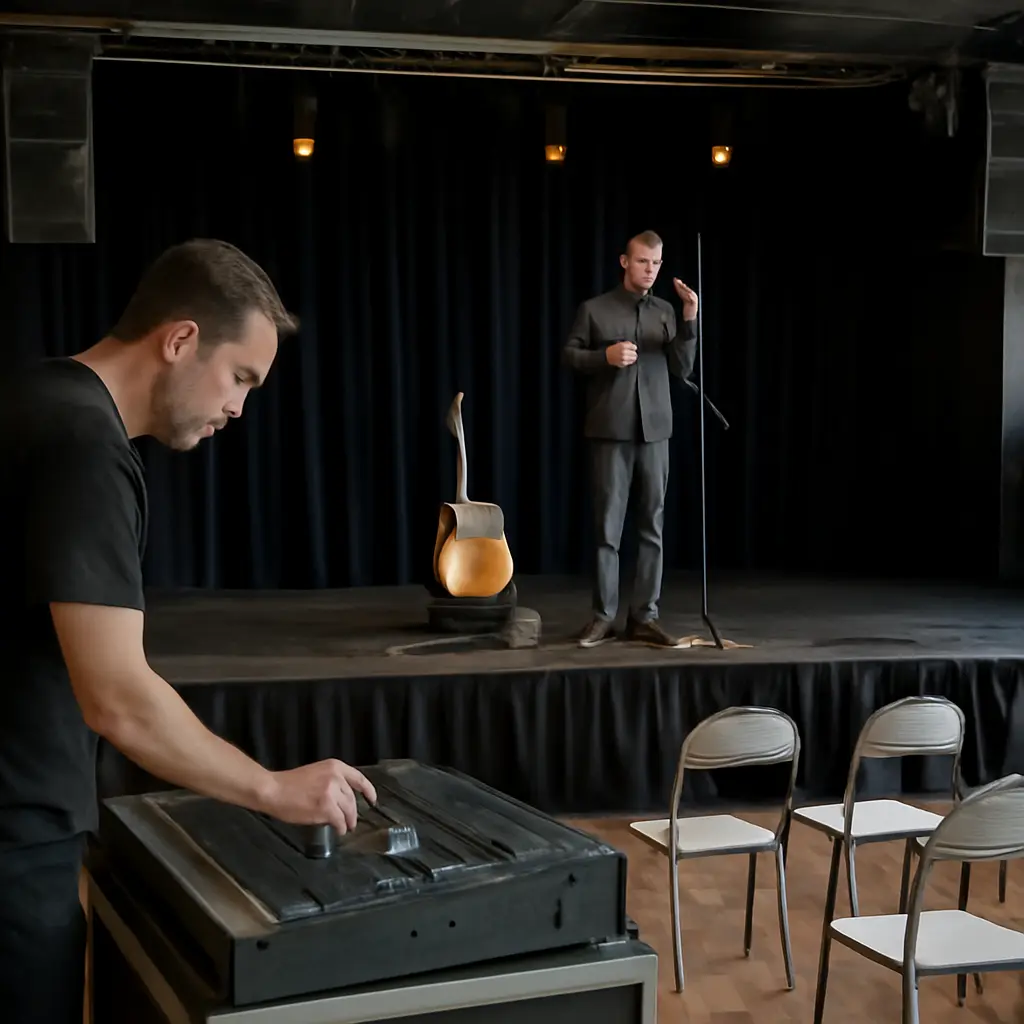
Headline Gigs and Club Sets: Core Event Types at a Live Music Venue
A live music venue presents several kinds of performances, but…

What Makes a Venue Truly Artist Friendly for Original Music
Music Venues and Artist Friendliness: What Makes a Venue Truly…

How These Venues Support Both Artists and Local Communities
Independent Live-Music Venues as Artist–Community Platforms: Cultural, Economic, and Social…